
The New Business Skill Is Understanding Systems
As AI makes production cheap, the scarce skill becomes judgment: knowing how a system works, where it fails, and who answers for it.
Loading...
Websites built like products, not brochures.Las Vegas, NV & Remote
WebCraft Labz
Essays, guides, and build notes on web development, custom software, and applied AI — written out of client work at WebCraft Labz.
29 articles
As AI makes production cheap, the scarce skill becomes judgment: knowing how a system works, where it fails, and who answers for it.
Most small business websites are planned around four to six weeks, but the build work inside that is far smaller. A practical guide to the difference between development hours and calendar time, what actually causes delays, and what to prepare before you hire anyone.
Legacy technology is rarely a clean keep-or-replace decision. A practical framework for deciding which systems should stay, which should be integrated, which need replacement, and which should finally be retired.
A redesign changes what people see. Modernization changes what the organization can do next. A seven-phase framework for rebuilding an aging website without destroying what already works.
A plain-English guide to data-centric architecture: why business systems drift apart, what changes when data becomes a shared business asset, and how to tell if your business actually needs it.
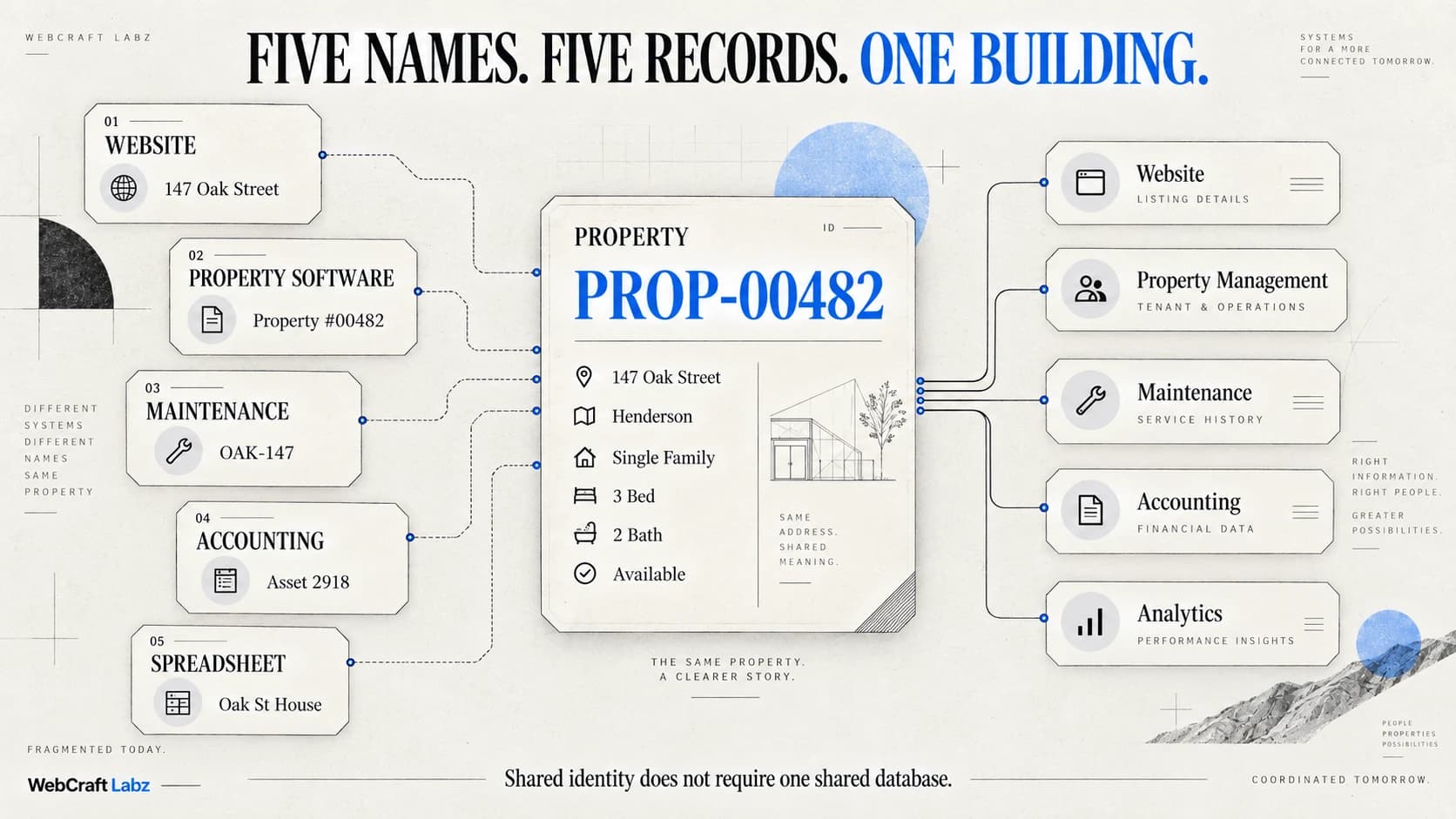
AI adoption is easy to measure; AI capability is not. On the judgment gap — and how AI quietly deletes the rules your organization never wrote down.
Learn where a custom website ends and software begins, how websites connect to business systems, and when to integrate, extend, or build custom software.
Modernization fails when teams replace tools they don't understand. System Archaeology is the six-stage method for mapping what your business actually runs on.
We spent decades digitizing organizations without fundamentally redesigning how they work. AI is changing the economics of coordination and forcing a larger question: what should the modern organizational operating system actually look like?
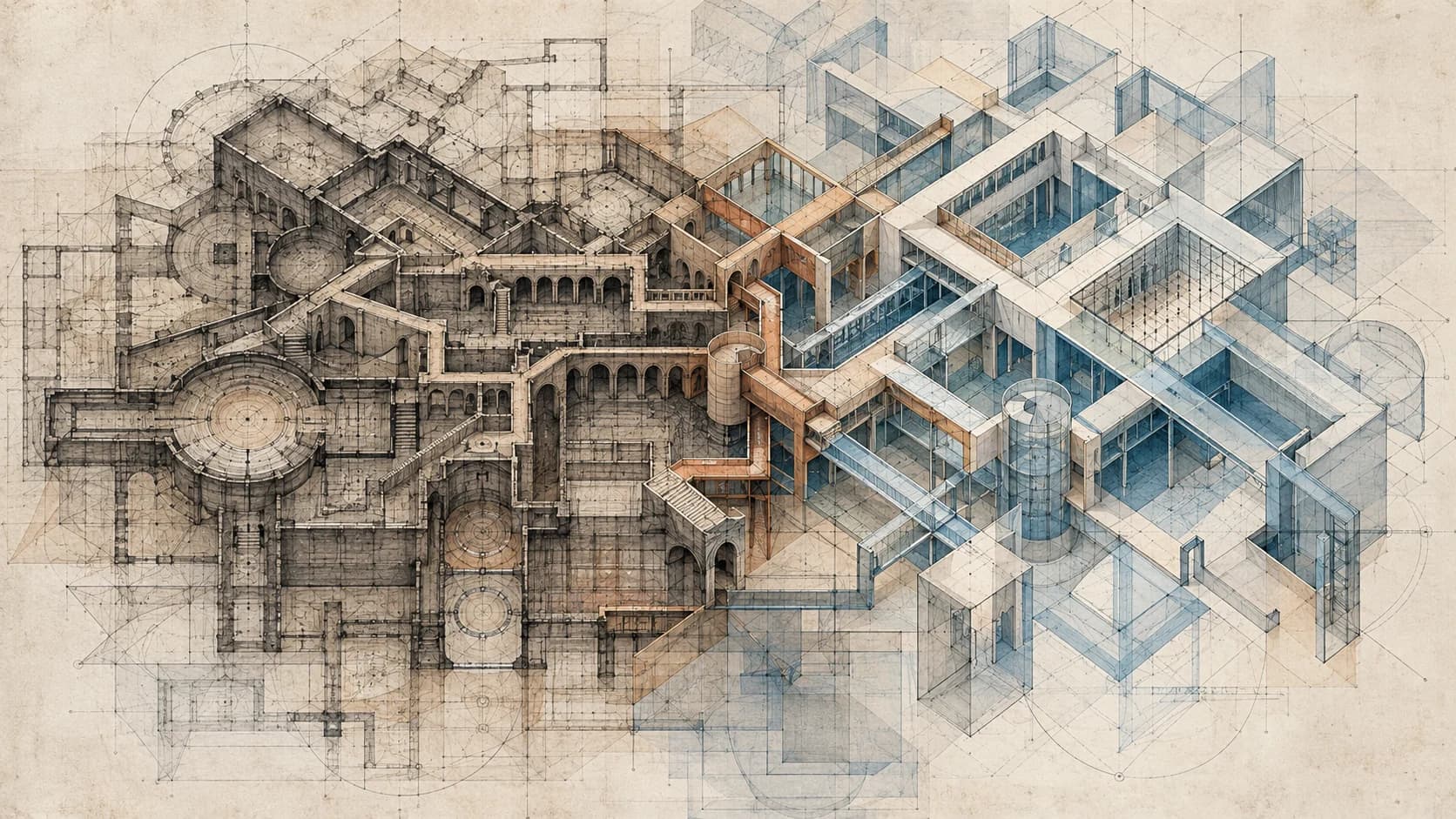
AI is making code abundant and pushing the real constraints downstream — toward review, verification, integration, distribution, trust and human judgment. What changes when writing software stops being the bottleneck.

What ecommerce actually is, how Shopify, BigCommerce, and WooCommerce differ, what no-code, low-code, and headless really mean, and what an online store costs — explained in plain English.
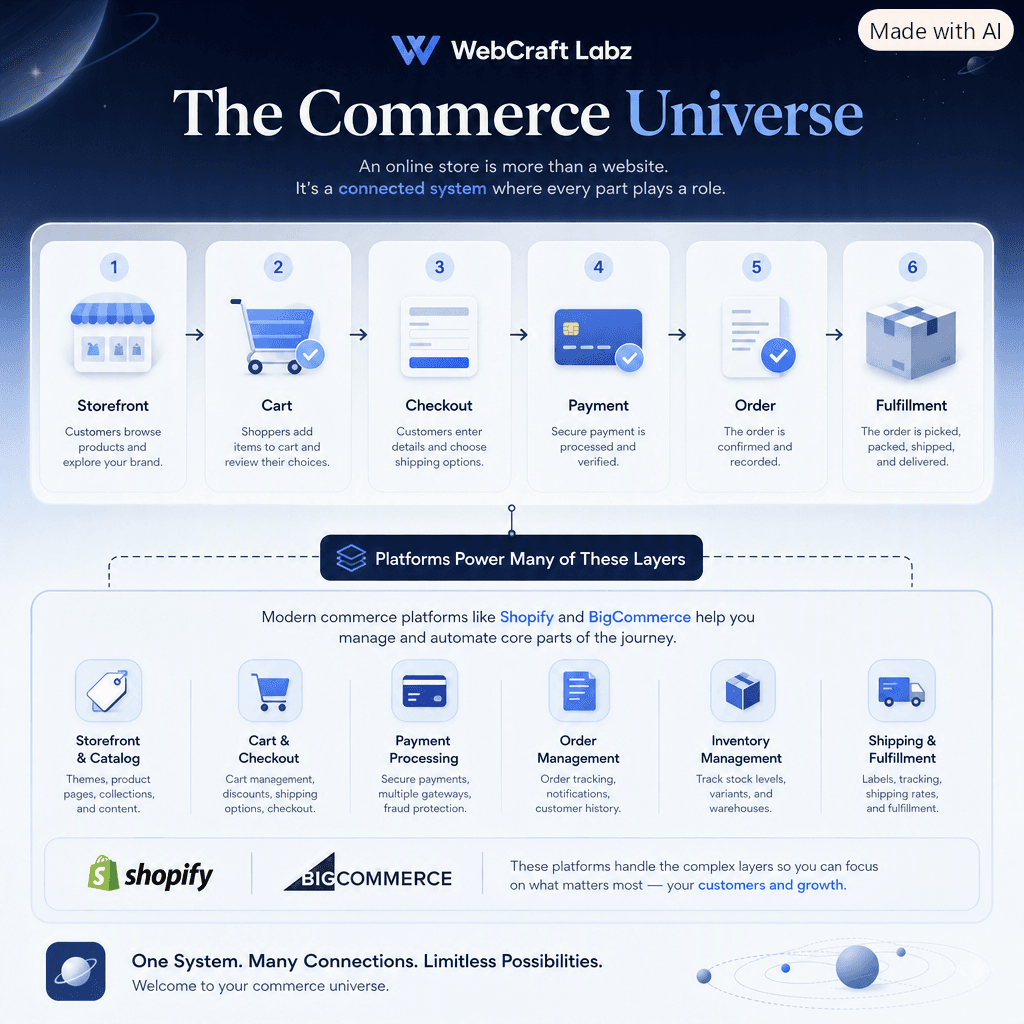
Learn what AI actually is, how generative AI works, the terms that matter, how to write better prompts, where AI gets things wrong, and how to start using it confidently.

Seven human skills becoming more valuable as AI makes production easy — judgment, question framing, taste, verification, synthesis, communication, and accountability — with practical ways to strengthen each one.

A practical technology stack for solo SaaS builders, with clear tradeoffs across framework, database, authentication, hosting, payments, email, analytics, monitoring, and operations.
Off-the-shelf software is faster to start; custom software fits your workflow exactly. A build-vs-buy framework for deciding what to rent and what to own.
A prototype, an MVP, and a production application solve different problems. Here's how to tell which one you actually need before you scope a build.
SaaS MVP costs vary widely because scope varies widely. Here's what actually moves the number, and how to plan a realistic budget without a generic price range that doesn't account for your actual scope.
For the artists, makers, builders, and dreamers wondering where they fit in the age of artificial intelligence.
A beginner-friendly guide to choosing the coding tools you actually need, without drowning in setup chaos.
Every technological revolution has changed how we work. Artificial intelligence forces us to ask a deeper question: when machines can do almost everything, what will humans still be needed for?

A generation is growing up that will never know a world without AI. That changes more than education. It changes how humans develop.

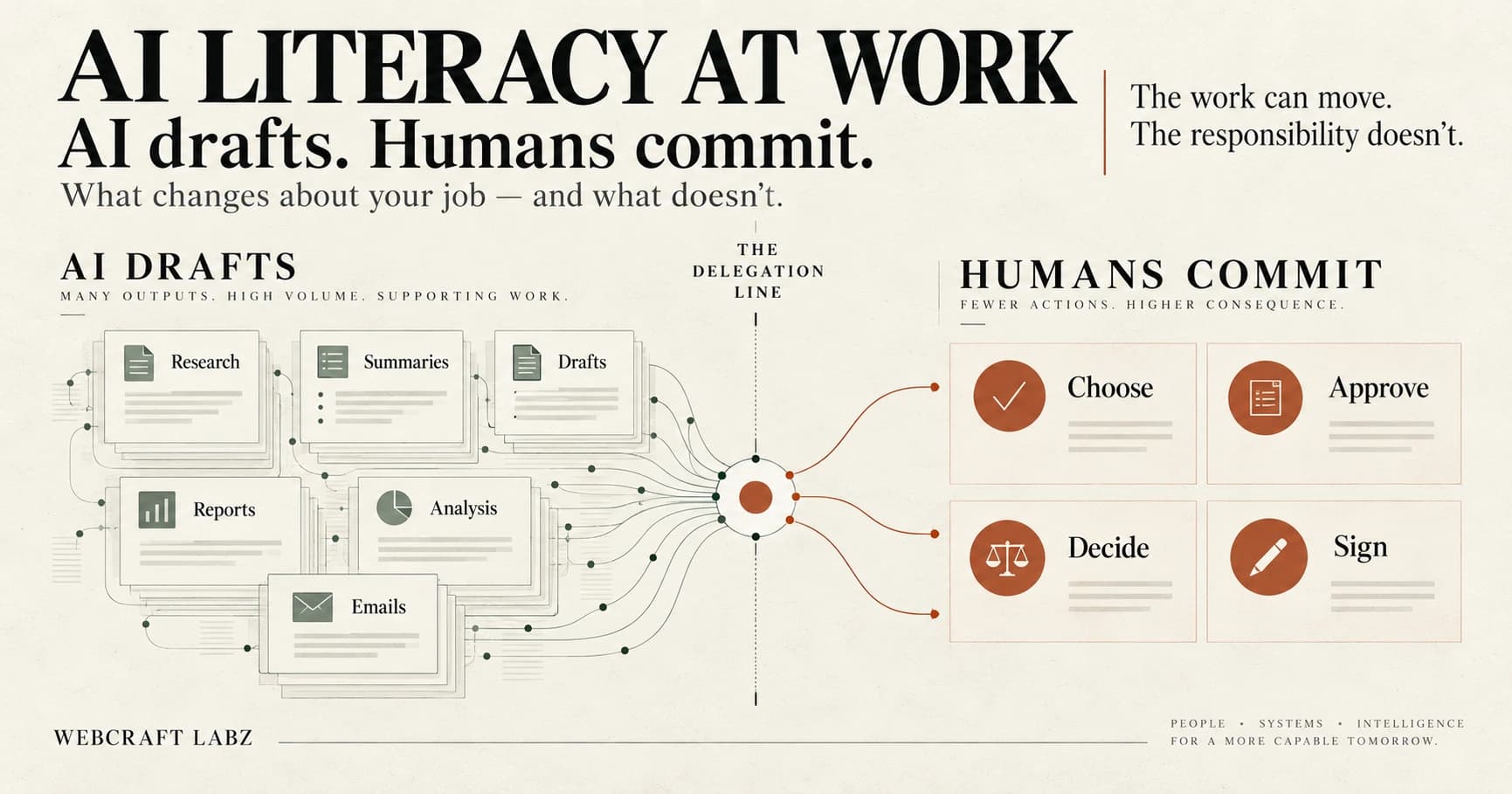
AI is making supporting work cheap and high-judgment work scarce. What AI literacy means for a professional — what to delegate, and what you still sign.
A structured diagnostic for business owners: score your website across eight conversion areas, find the blocker that’s capping the rest, and fix problems in the order that actually works.

A cinematic series exploring what happens when artificial intelligence stops imitating human thought and begins creating ideas, systems, and possibilities of its own.
Meeting capture, first drafts, morning prioritization, research compression — what I actually ask AI to pull out, and what each change replaced.
I didn't start using AI to work faster. I started using it because modern work had become a constant exercise in remembering, searching, switching, and managing. Here's what actually changed.
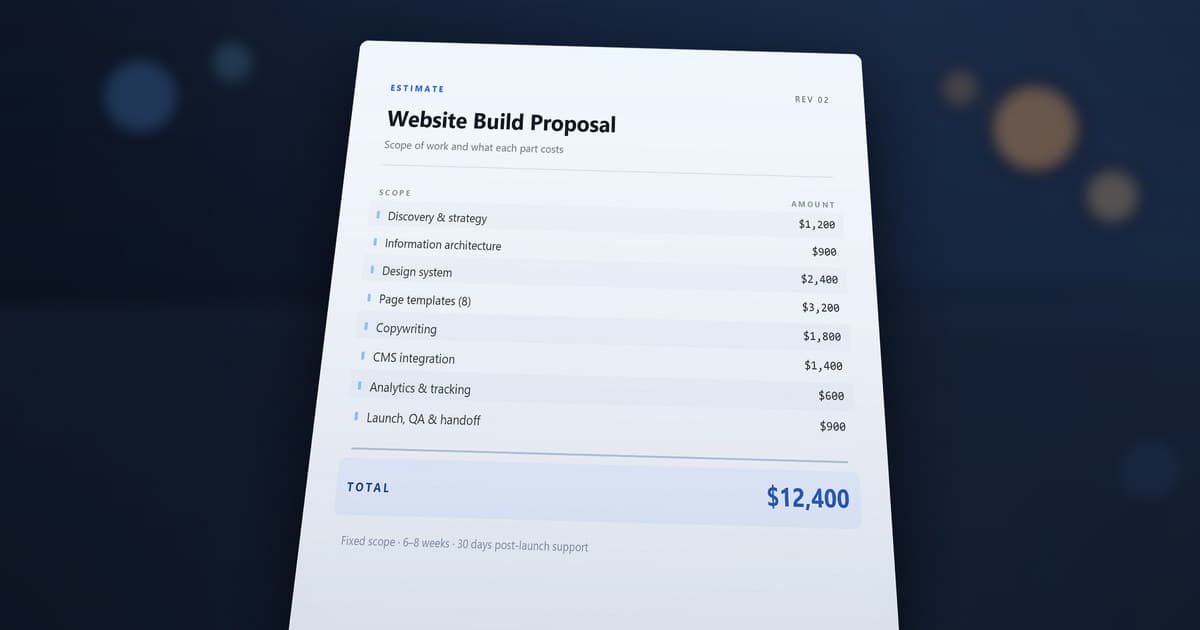
What a website actually costs, why two quotes for the same site can differ by thousands, and how to compare proposals without getting buried in jargon — with real ranges from our own estimator.
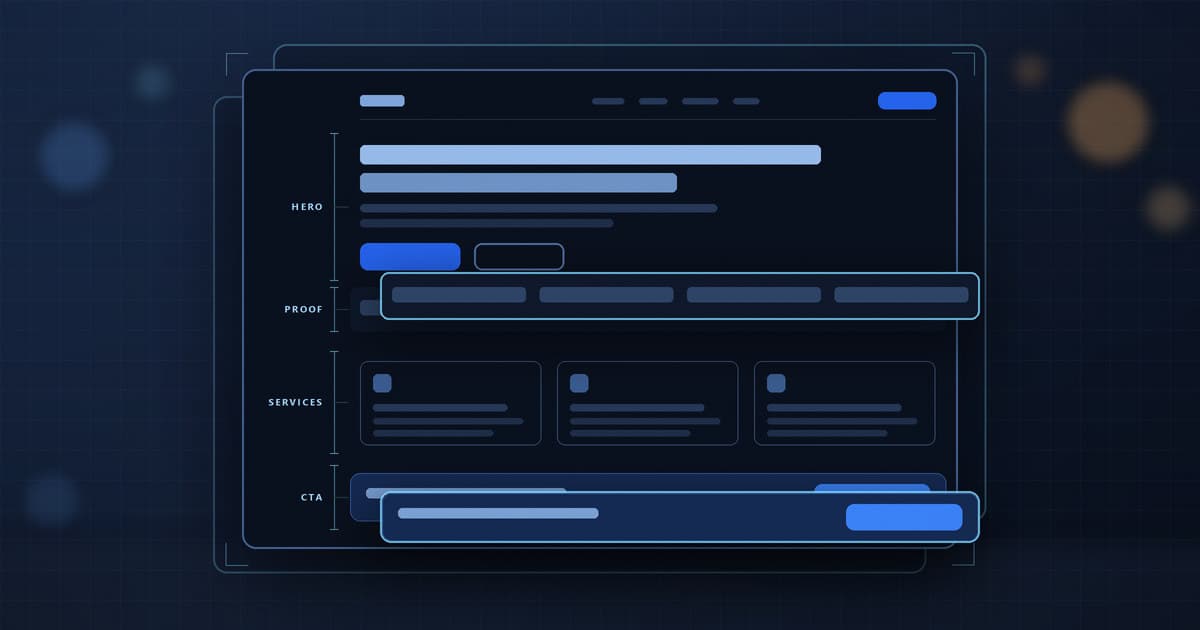
How to structure a marketing website from the offer outward — homepage sequence, page types, proof placement, CTA strategy, forms and measurement, and how the parts support each other.
For thousands of years, knowledge belonged to the few. Artificial intelligence may be the moment it finally belongs to everyone.

Most of what is written here started as a client problem. If you have one, we are happy to talk it through.